Dec 08 2025 07:29h
The Real Story Behind Asbestos: How It Became So Common in Buildings
Why Was Asbestos Ever Used in the First Place?
Today, the word asbestos instantly brings to mind danger, contamination, and costly removal projects. But for decades, asbestos was considered a “miracle material.”
How did something so harmful become one of the most widely used construction materials of the 20th century?
Here’s the surprising—and important—story behind asbestos and how it became so common in buildings around the world.
What Exactly Is Asbestos?
Asbestos isn’t a man-made product.
It’s a group of naturally occurring minerals made of tiny, heat-resistant fibers. These fibers are:
-
Fireproof
-
Strong and flexible
-
Resistant to chemicals
-
Excellent insulators
In the early 1900s, these qualities made asbestos incredibly appealing to manufacturers and builders.
The Early Adoption: 1900s–1940s
As industrialization spread, factories and construction companies wanted materials that could handle high heat and reduce fire risks. Asbestos seemed like the perfect solution.
During this period, asbestos was added to:
-
Insulation
-
Roofing felt
-
Boilers
-
Steam pipes
-
Cement products
The material was cheap, abundant, and extremely versatile — which made it attractive for large-scale construction.
Post-War Boom: The Rise of Asbestos in Homes (1945–1970s)
After World War II, there was a massive global push to build more homes, schools, hospitals, and commercial buildings. Asbestos use exploded.
Builders used asbestos in:
-
Vinyl floor tiles
-
Ceiling tiles
-
Textured coatings
-
Roofing materials
-
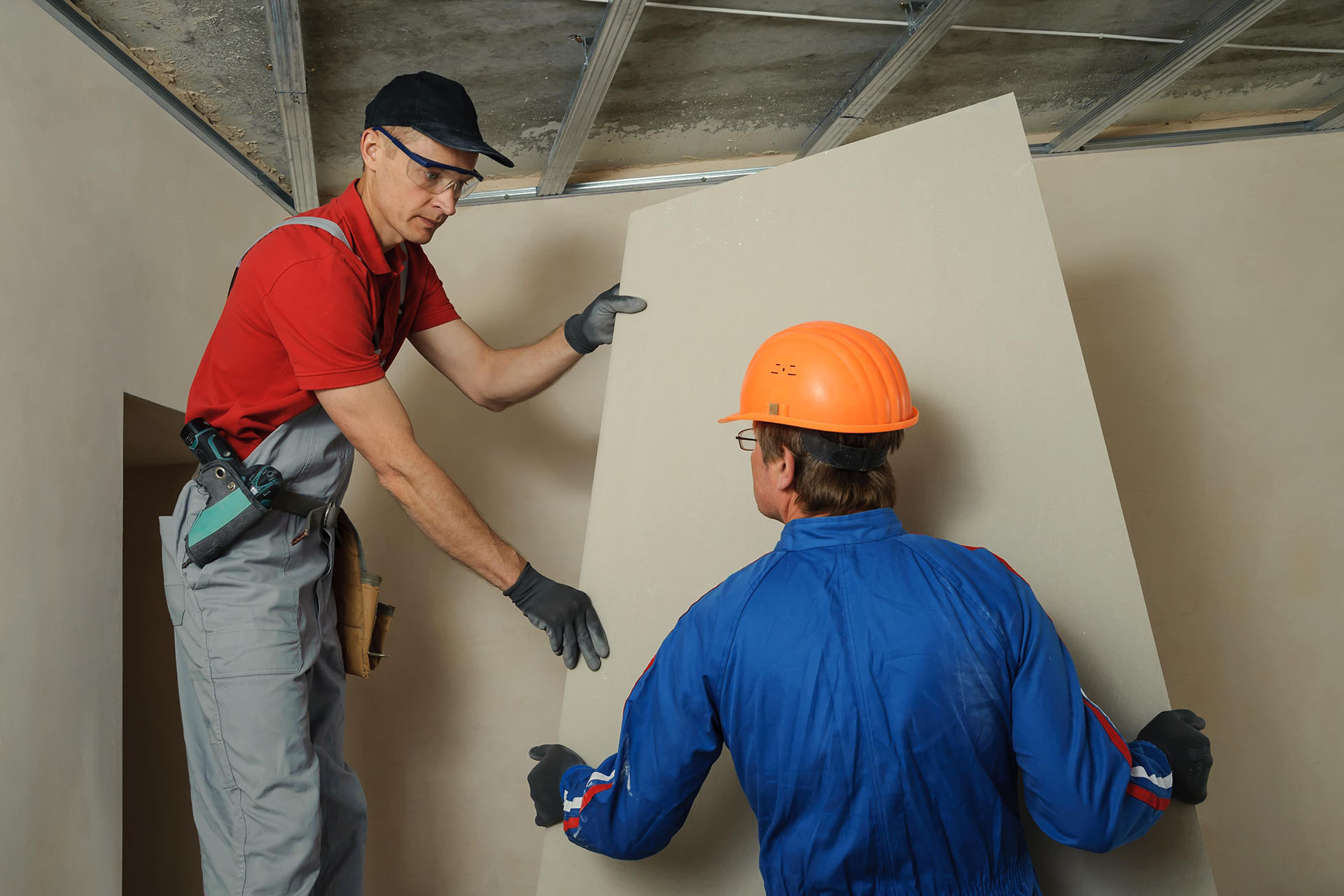
Wallboard and joint compounds
-
Heating ducts
-
Spray-applied fireproofing
During these decades, asbestos was seen as modern, durable, and efficient. It wasn’t considered a hazard — yet.
The Turning Point: Early Warnings Ignored
Although the dangers of asbestos were documented as early as the 1920s, the risks weren’t widely acknowledged. For decades, early health studies were downplayed or overlooked by manufacturers.
However, by the 1960s and 1970s, scientific research finally connected long-term asbestos exposure to serious diseases such as:
-
Mesothelioma
-
Lung cancer
-
Asbestosis
This evidence changed everything.
Regulations and Restrictions (1980s–2000s)
As the health risks became undeniable, countries around the world introduced strict regulations. Some banned asbestos entirely, while others placed heavy restrictions on its use in construction and manufacturing.
Although many nations no longer allow asbestos in new products, older buildings still contain asbestos today, which is why professional inspections and safe handling practices are so important.
Why Asbestos Remains an Issue Today
Asbestos didn’t disappear overnight. Because it was used for decades, many buildings constructed before the late 1990s still contain it. That includes:
-
Residential homes
-
Commercial properties
-
Schools and government buildings
-
Industrial sites
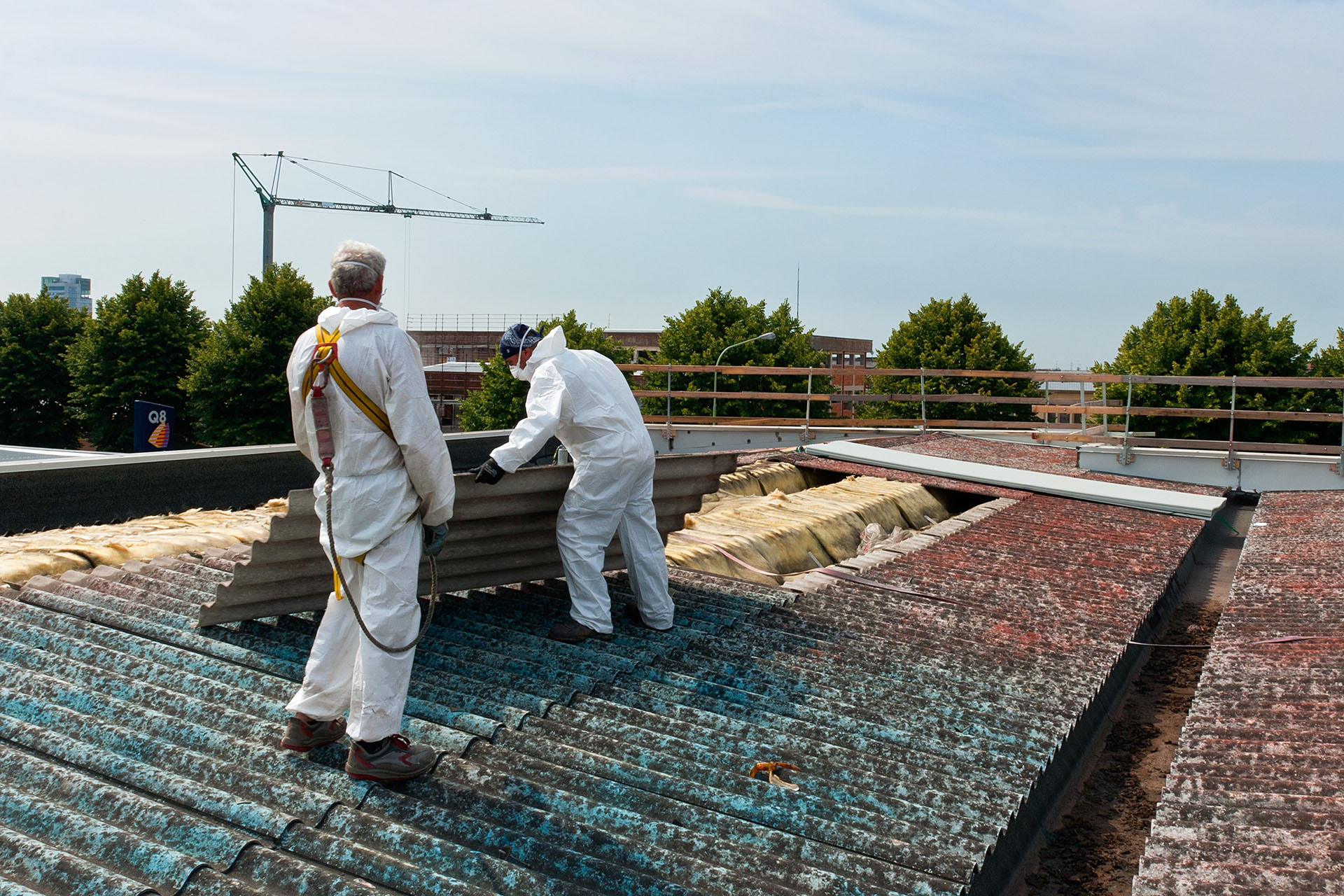
The asbestos itself often remains harmless as long as it is undisturbed. Problems arise when materials are cut, drilled, renovated, or damaged — which can release the fibres.
The Legacy of Asbestos: A Lesson in Building Safety
The story of asbestos is a reminder that building materials aren’t just chosen for performance—they’re tied to health, safety, and long-term impact. What was once celebrated as a versatile and affordable product became one of the biggest public-health issues in construction history.
Understanding how asbestos became so widespread helps homeowners and property managers recognize why proper inspections, regulations, and professional handling are absolutely essential today.
Conclusion
Asbestos became common in buildings because it was cheap, effective, and widely believed to be safe. The real story shows how quickly a “miracle material” can turn into a hazard when health risks are ignored.
For property owners, awareness is the first step toward managing asbestos safely and responsibly.