Mold, Asbestos & UVC Disinfection: Expert FAQ Resource
You may need mold remediation if you see visible mold growth, notice a musty odor, experience worsening allergies, or recently had water damage. Professional testing and inspection can confirm the extent of the issue. 👉 Recommended internal link https://www.mnrestorationnewjersey.com/mold-remediation/
Our mold remediation process includes inspection, containment, air filtration, removal of affected materials, cleaning, sanitizing, and final testing to ensure mold does not return. 👉 Recommended internal link: https://www.mnrestorationnewjersey.com/mold-remediation/
Most projects take 1–3 days, depending on the size of the affected area and the severity of contamination. Large or complex jobs may take longer.
Some homeowner insurance policies cover mold remediation if caused by a covered peril (such as a burst pipe). Coverage varies, so we recommend contacting your insurer. 👉 Recommended internal link: https://www.mnrestorationnewjersey.com/contact/
It depends on the severity and location of the mold. For small, contained areas, you may be able to remain at home. For larger projects or mold affecting HVAC systems, we recommend temporary relocation for safety.
Persistent mold usually indicates an unresolved moisture problem — such as leaks, humidity, poor ventilation, or past water damage. We identify the source to help prevent future growth.
Mold can begin growing within 24–48 hours of moisture exposure. The growth accelerates quickly in warm, humid environments. Even small leaks or spills left untreated can lead to mold. Fast drying and mitigation are crucial.
No—mold will not go away by itself. As long as moisture remains, mold will continue to grow and spread. It can worsen over time and cause structural damage or health issues. It must be removed and the moisture source fixed.
Common symptoms include coughing, sneezing, runny nose, headaches, and irritated eyes or throat. People with asthma may experience more frequent attacks. Prolonged exposure can worsen respiratory conditions. Sensitive individuals may react more strongly.
They may take air samples, surface swabs, or use infrared cameras to detect hidden moisture. Lab analysis identifies the type and concentration of mold. Testing helps determine the severity of contamination. It also guides the correct remediation plan.
Costs vary depending on the size of the affected area, the extent of the damage, and whether materials need removal. Minor jobs can be a few hundred dollars, while extensive remediation can run into the thousands. Addressing the moisture source is usually part of the cost. A professional inspection gives the most accurate estimate.
The most important step is controlling moisture—fix leaks, improve ventilation, and keep humidity below 50%. Using dehumidifiers in damp areas also helps. Ensure the original water issue is fully resolved. Routine monitoring of at-risk areas is recommended.
“Black mold,” or Stachybotrys, can produce toxins, but not every dark-colored mold is toxic. All mold should be treated seriously because any type can cause health issues. Appearance alone can’t confirm toxicity. Proper identification is the safest approach.
Yes—mold should be addressed as soon as possible because it grows and spreads continuously. The longer it sits, the more damage it can cause to materials and air quality. Quick action also keeps remediation costs lower. Ignoring it can lead to larger problems.
Yes, mold spores can circulate through HVAC systems, spreading contamination to other rooms. Moist ducts or clogged filters make the problem worse. Professional cleaning may be necessary if mold is detected in the system. Regular maintenance helps prevent it.
Homes built before 1980 may contain asbestos in insulation, tiles, siding, roofing, or popcorn ceilings. Only certified asbestos testing can confirm it. 👉 Recommended internal link: https://www.mnrestorationnewjersey.com/asbestos-removal/
Yes. Asbestos fibers can become airborne over time due to aging materials, vibrations, or minor damage. Disturbing it without proper equipment is hazardous.
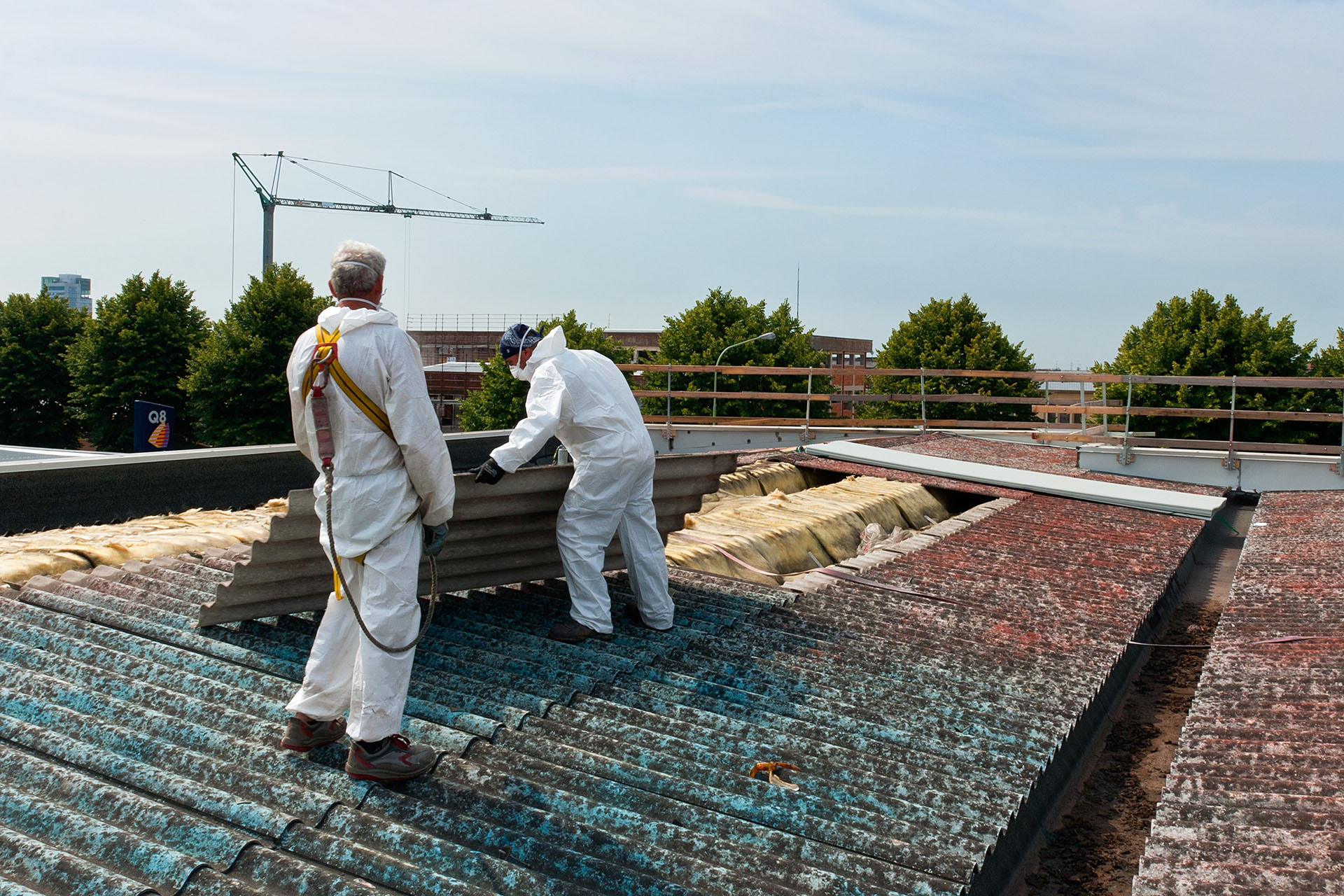
Our certified team handles testing, containment, safe removal, air filtration, disposal, and final clearance testing to ensure your property is safe. 👉 Recommended internal link: https://www.mnrestorationnewjersey.com/asbestos-removal/
Most asbestos removal projects take 1–2 days, depending on the amount of material, accessibility, and safety requirements. Larger jobs may take longer due to mandatory containment and air monitoring.
No. In New Jersey, only licensed asbestos abatement professionals are legally allowed to remove asbestos. DIY removal is extremely dangerous and can contaminate your entire home.
Symptoms may include persistent coughing, shortness of breath, or chest tightness — but asbestos exposure often has no immediate symptoms. Proper testing is the only safe way to confirm contamination.
Asbestos becomes hazardous when it is friable—meaning it crumbles easily—and releases fibers. Activities like cutting, sanding, or drilling can make it dangerous. Water damage or aging can also cause deterioration. Intact materials are less risky but still need care.
DIY removal is strongly discouraged and often illegal. Improper handling can release large amounts of fibers into the air. Professionals use specialized equipment and containment measures to ensure safety. Hiring a certified abatement contractor is the safest option.
Professionals take small samples of materials and send them to accredited labs. They follow safety protocols to prevent contamination. Air testing may also be used in certain situations. This ensures accurate and reliable results.
Costs vary based on the material type, size of the area, and level of contamination. Small jobs may be a few hundred dollars, while larger projects can reach several thousand. Disposal and containment setup also affect price. An inspection provides the most accurate estimate.
Yes—especially if your home was built before the 1980s. Renovations can disturb hidden asbestos and release fibers. Many states require testing before construction work begins. Inspections help protect your home and your health.
Stop work immediately and avoid touching the material. Leave the area and avoid creating airflow that could spread fibers. Contact a professional for evaluation. They can determine whether cleanup or remediation is needed.
If the material is intact and undisturbed, it can often be left in place safely. Encapsulation—sealing the material—may be an option. Removal is recommended if it’s damaged or will be disturbed during renovations. A professional can advise on the safest choice.
Smaller projects may take a few hours to a day. Larger or more complex jobs can take several days. The timeline depends on containment, removal, and required air clearance testing. Safety is always the priority.
Asbestos use is greatly reduced but not fully banned in some countries. Small amounts may still appear in certain products. Most modern materials are asbestos-free. Regulations have significantly limited its use.
UVC light destroys bacteria, viruses, and mold spores by breaking down their DNA. It's effective for homes, offices, schools, and medical facilities.
Yes—when done by certified professionals. Our technicians follow strict safety protocols to prevent exposure during treatment. 👉 Recommended internal link: https://www.mnrestorationnewjersey.com/uv-light-disinfection/
Most UVC treatments take 30–90 minutes depending on the size of the area and contamination level.
We disinfect homes, offices, schools, medical facilities, gyms, restaurants, commercial buildings, and more. UVC is ideal for high-traffic areas.
Yes. UVC can help reduce odors caused by bacteria, mold, and organic contaminants by neutralizing the microorganisms that produce them.
Yes, UVC can inactivate mold spores on surfaces and in the air. However, it does not remove visible mold growth or fix moisture problems. UVC helps prevent future growth but should be paired with proper remediation if mold is already present. It’s excellent for sanitizing after cleanup.
Absolutely—UVC is commonly used inside HVAC systems and standalone air purifiers. It disinfects circulating air by killing airborne pathogens. Continuous UVC air treatment helps reduce microbial levels. This is especially useful in offices, hospitals, and high-traffic environments.
Most modern UVC lamps are designed to be ozone-free. Ozone is only produced by wavelengths below 200 nm, which standard UVC disinfection lamps avoid. Always check the product specifications. Ozone-free systems are safer for indoor use.
Frequency depends on the environment and level of contamination. High-traffic areas may need daily or even multiple treatments. Homes or low-use spaces may only need periodic disinfection. A professional can recommend a schedule based on risk levels.
No, UVC light only disinfects what it directly reaches. Shadows and covered areas will not be treated. This is why proper placement and multiple angles are important. Some systems use reflective surfaces to improve coverage.
Each has its strengths—UVC disinfects quickly without leaving residues or chemicals behind. Chemicals are good for deep cleaning and reaching crevices UVC may miss. Many facilities use both for maximum protection. UVC is ideal for routine, chemical-free sanitization.
Most UVC bulbs last between 8,000 and 12,000 hours. Over time, their output decreases even if the bulb still lights. Regular maintenance ensures proper disinfection levels. Professionals monitor intensity to guarantee effectiveness.
No, UVC disinfection leaves no chemicals, residues, or odors. It simply inactivates microorganisms using light. This makes it ideal for sensitive environments like kitchens, medical facilities, and childcare spaces. It’s a clean and eco-friendly disinfection method.
Yes, UVC systems are increasingly used in residential settings for air and surface disinfection. Smaller portable units or HVAC-installed lamps are popular choices. Homeowners appreciate the chemical-free sanitization. Proper safety instructions must always be followed.
Yes. We provide 24/7 emergency services for water damage, mold outbreaks, asbestos hazards, and more. 👉 Recommended internal link: https://www.mnrestorationnewjersey.com/contact/
All technicians are certified in mold remediation, asbestos removal, and UVC disinfection to meet New Jersey safety standards.
We serve residential and commercial clients across the entire state of New Jersey.
You can request a free quote by filling out our contact form or calling us directly. 👉 Recommended internal link: https://www.mnrestorationnewjersey.com/contact/
We accept credit cards, insurance payments, bank transfers, and financing options may be available depending on the project.
Yes. We offer free inspections for mold, asbestos, UVC services, and restoration projects to determine the scope and provide an accurate estimate.
Yes. All our remediation and disinfection processes follow strict safety guidelines. We will inform you of any temporary relocation needs during treatment.
We offer 24/7 emergency response and can typically be on-site within 60–90 minutes, depending on your location in New Jersey.